
Garage & Gate Automation
Garage & Gate Automation
GC Garage Doors installs reliable automation systems designed for sectional garage doors, tip-up garage doors, roll-up garage doors and sliding gates.
Automating your garage door or sliding gate provides convenience, improved security and smooth daily operation.
Modern garage door motors allow you to open and close your door with the push of a remote control — keeping you safe and dry when arriving home and providing added security at night.
Our automation systems include advanced safety features, secure rolling-code remotes and battery backup options, ensuring reliable operation even during power outages.

Why Choose
GC Garage Doors?
Choosing the right motor is only half the job. It also needs to be correctly matched to your garage door and installed professionally.
At GC Garage Doors, we understand that people work hard for their money. That’s why we don’t believe in recommending the most expensive solution. We believe in recommending the right solution.
We’ll assess your garage door or gate, explain what’s required, and recommend the automation system best suited to your property, your needs, and your budget.
The right motor, matched to the right garage door and installed correctly. That’s what makes the difference.
- Garage door and gate automation specialists.
- Motors correctly matched to your garage door or gate.
- Honest, practical advice.
- Professional installation and setup.
- Residential and lifestyle estate specialists.
Which Garage Door Motor
Is Right?
Most homeowners don’t know the difference between a sectional garage door motor, a roll-up garage door motor or a sliding gate motor—and they shouldn’t have to.
That’s our job.
The right motor starts with the type of garage door or gate you have. We’ll assess your existing garage door or gate and recommend the motor that’s best suited to your property, your budget and the way you use it.
Below are the garage door and gate motors we recommend, together with a brief explanation of where each one is best suited.
Choose Your
Garage Door Type
The way a garage door opens is the first thing to consider when choosing a new garage door. Below you’ll find the three main garage door types we install, together with a brief explanation of how each one works. Explore each option to learn more and find the garage door that’s right for your home.
Sectional Garage Doors
Sectional
Garage Doors
Opens vertically before sliding back along tracks inside the garage. This design allows you to use the full garage opening and is well suited to garage door automation.
Tip-Up Garage Doors
Tip-Up
Garage Doors
Opens as a single solid panel, tilting outward before lifting into the garage. Suitable for manual or automated operation. Requires clearance in front while opening.
Roll-Up Garage Doors
Roll-Up
Garage Doors
Rolls into a compact drum above the garage opening. Suitable for manual or automated options, with no overhead tracks extending back into the garage.
Sectional & Tip-Up
Garage Doors
Most residential sectional and balanced tip-up garage doors use the same range of garage door motors.
The difference usually isn’t the motor itself—it’s the drawbar that’s matched to the type and height of your garage door.
We’ll assess your existing garage door and recommend the motor and drawbar that’s best suited to your installation.

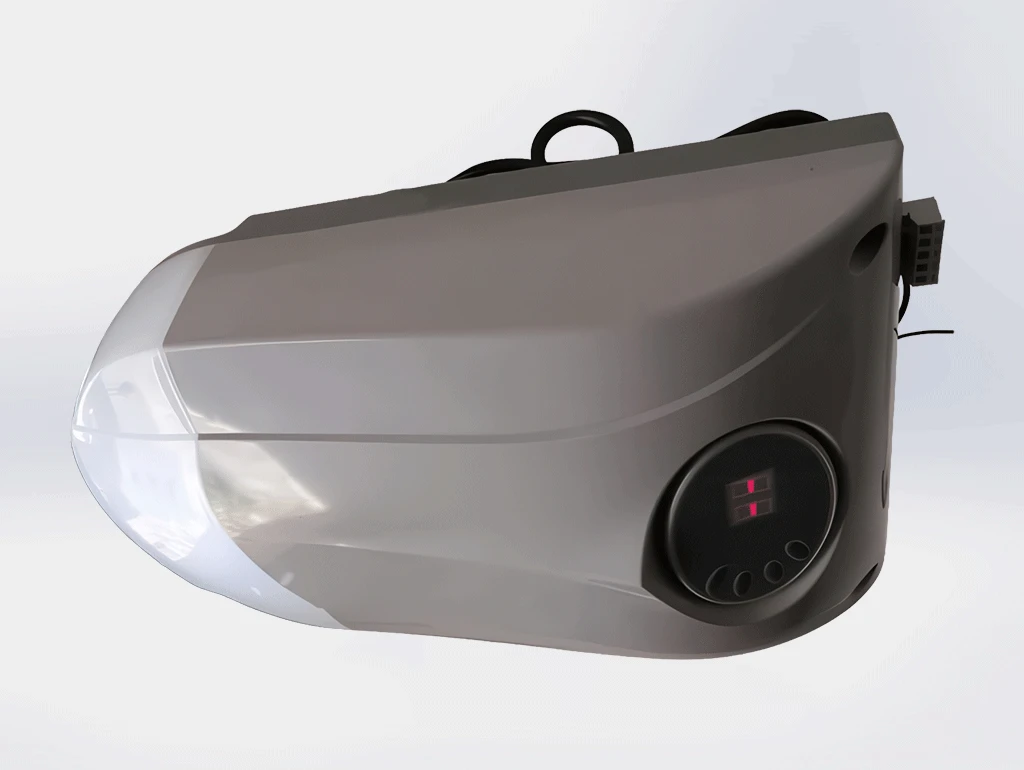
Our preferred
motors are:
Nice Astute
Garage Door Motor
The Nice Astute is the motor we fit most often.
It’s quiet, reliable and well suited to everyday residential use, making it an excellent choice for most sectional and balanced tip-up garage doors.
Dominator
Garage Door Motor
The DC Dominator is one of those motors that simply gets on with the job it was designed to do.
Available in 800, 1000 and 1500 models, it’s a reliable option where it best suits the garage door or an existing installation.
Roll-Up Garage Doors
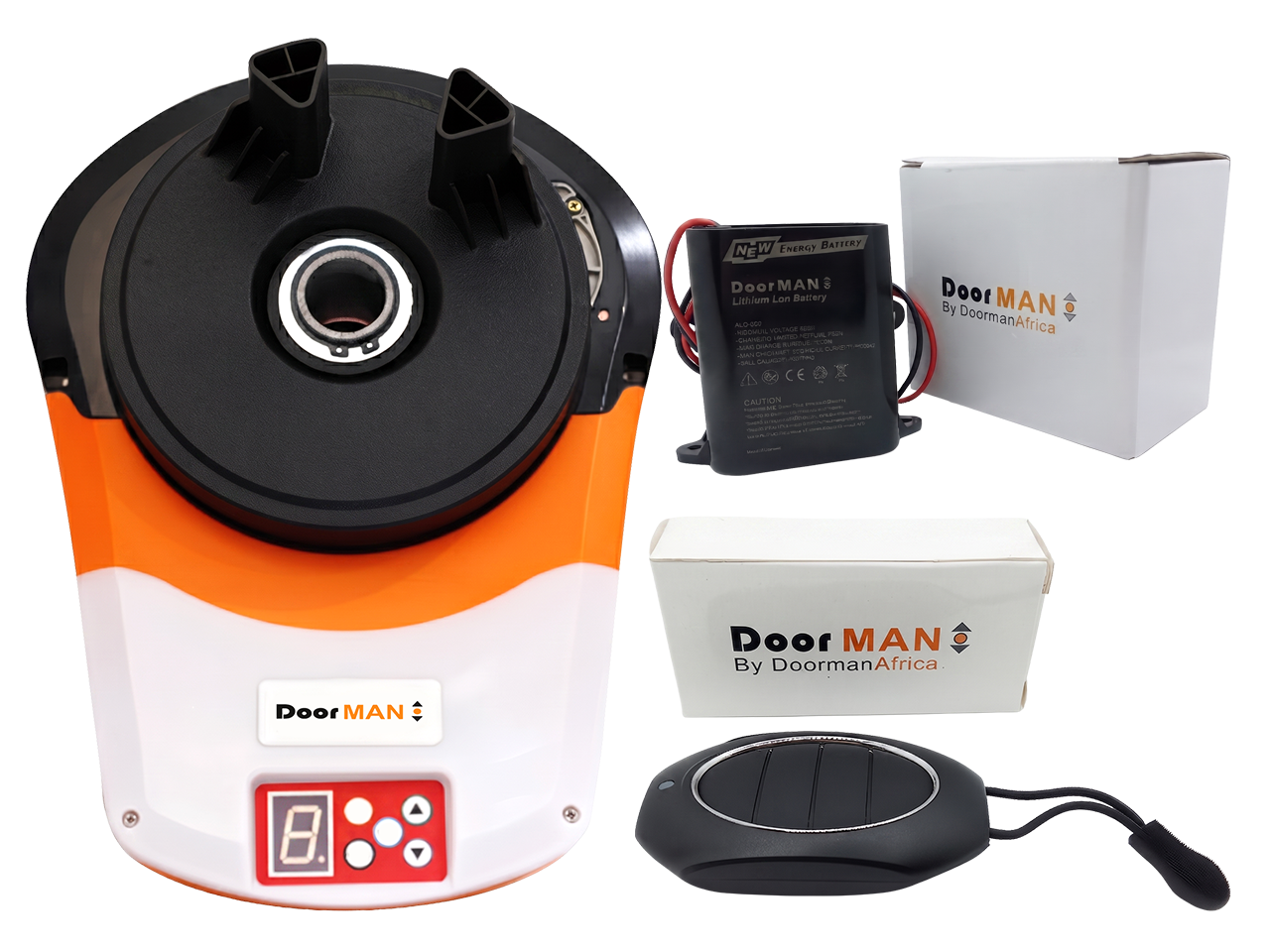
Doorman RD02
Roll-Up Garage Door Motor
A roll-up garage door works very differently to a sectional or tip-up garage door. Instead of travelling along tracks, the door rolls up into a drum above the opening, so it requires a motor that’s specifically designed for that job.
The Doorman RD02 is built specifically for roll-up garage doors, providing smooth, reliable automation that’s matched to the way the door operates.
Sliding Gates
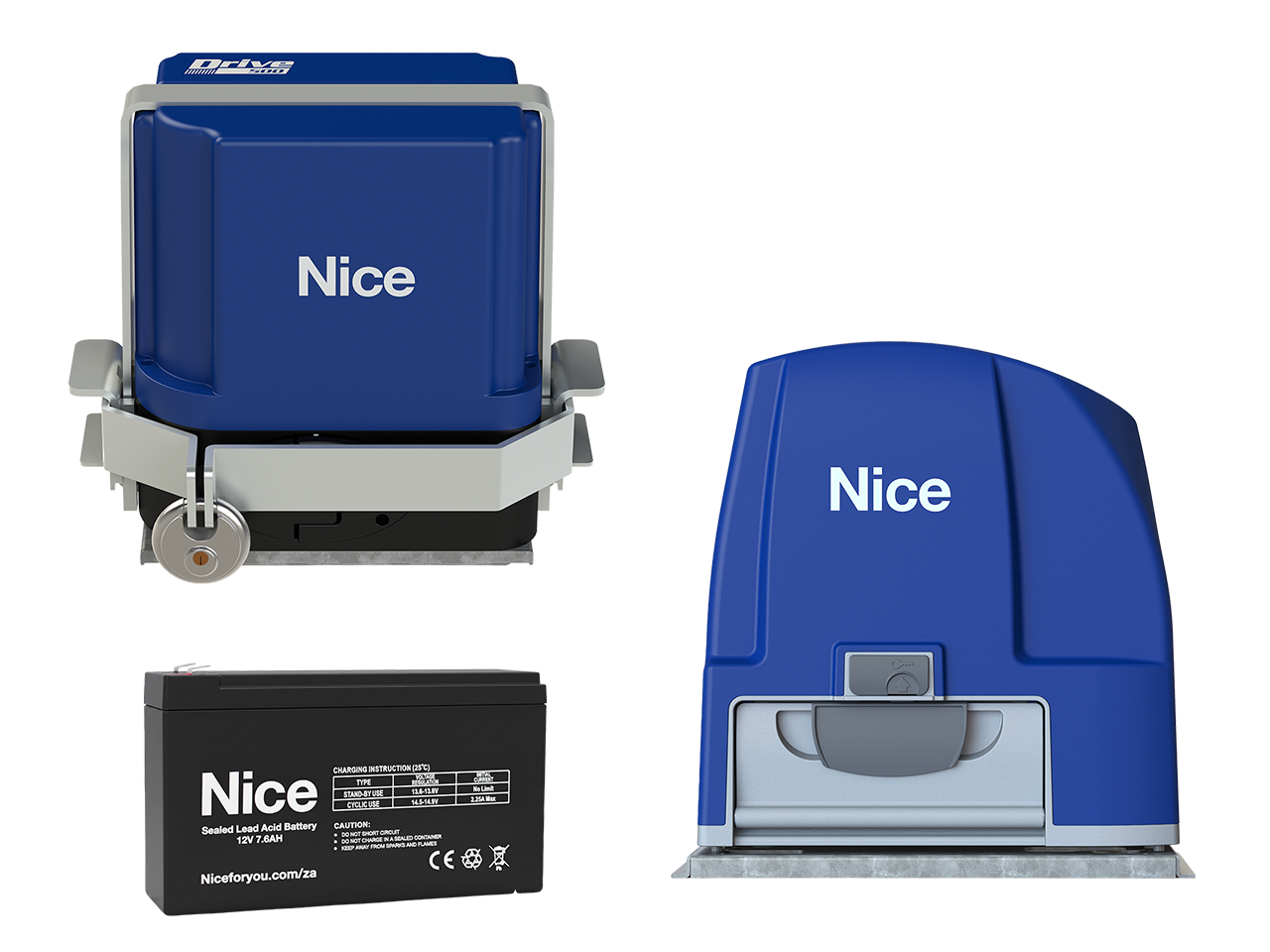
Nice
Sliding Gate Motor
Sliding gates work differently to garage doors, so they require a motor that’s designed specifically for moving a gate along a track.
The right gate motor depends on the size, weight and how often the gate is used. We’ll assess your gate and recommend the motor that’s best suited to your installation, giving you smooth, reliable operation every day.
Understanding How
Your Garage Door Motor Works
Most people think the garage door motor lifts the weight of the garage door.
It doesn’t.
The springs do the heavy lifting. When they’re correctly tensioned, the garage door should feel surprisingly light to operate.
The motor’s job is to move the door smoothly open and closed. It’s there to control the movement of the door, not carry its weight.
Over time, the springs naturally lose tension through thousands of opening and closing cycles. As the door becomes heavier, the motor has to work harder every time it’s used.
That extra strain can shorten the life of the motor and lead to unnecessary wear or premature failure. A properly balanced garage door allows the motor to do exactly what it was designed to do.
WHY
THIS MATTERS
A garage door motor is designed to move a balanced garage door, not lift a heavy one.
Keeping your garage door correctly balanced helps reduce unnecessary strain on the motor and can significantly extend the life of your garage door motor.
DID
YOU KNOW?
Most garage door motors don’t fail because they’re worn out. They fail because they’ve spent years working harder than they should.
As part of a professional garage door service, the springs can be checked and re-tensioned if needed. A properly balanced garage door places less strain on the motor, improves the way the door operates and can help extend the life of your motor.
Looking after your garage door helps look after your motor too.
FREQUENTLY ASKED QUESTIONS
Q: Can you automate my existing garage door?
A: In most cases, yes. We’ll inspect your existing garage door to make sure it’s suitable for automation before recommending the right motor.
Q: Can my existing garage door motor be repaired?
A: Sometimes.
It depends on the age of the motor, the fault and whether replacement parts are available. We’ll inspect it first and explain your options. If repairing the motor makes sense, we’ll tell you. If replacing it offers better long-term value, we’ll explain why.
Q: Can my existing tip-up motor be converted for a sectional garage door?
A: Sometimes.
It depends on whether the existing motor is compatible with a sectional drawbar.
A balanced tip-up garage door typically uses a 2.2 metre drawbar, while sectional garage doors generally require a 3.2 metre or 4.8 metre drawbar, depending on the height of the door.
If the motor is compatible, replacing the drawbar may be a more cost-effective option than replacing the entire motor.
Q: Do all garage doors use the same motor?
A: No. Different garage doors require different motors. The type of garage door, its size, how it’s balanced and how often it’s used all help determine which motor is best suited to the installation.
Q: Does my garage door need servicing if the motor is still working?
A: Yes. A garage door motor relies on a properly balanced garage door. As springs gradually lose tension over time, the motor has to work harder than it should.
Having your garage door serviced helps keep it operating correctly, reduces unnecessary strain on the motor and can help extend the life of your garage door motor.
Q: Can I automate my sliding gate?
A: Yes. We install residential sliding gate motors and will recommend a motor that’s matched to the size, weight and daily use of your gate.
Q: Will my garage door work during load shedding?
A: Many modern garage door motors are available with battery backup, allowing you to continue using your garage door during a power outage. We’ll explain which options are available when recommending a motor.